
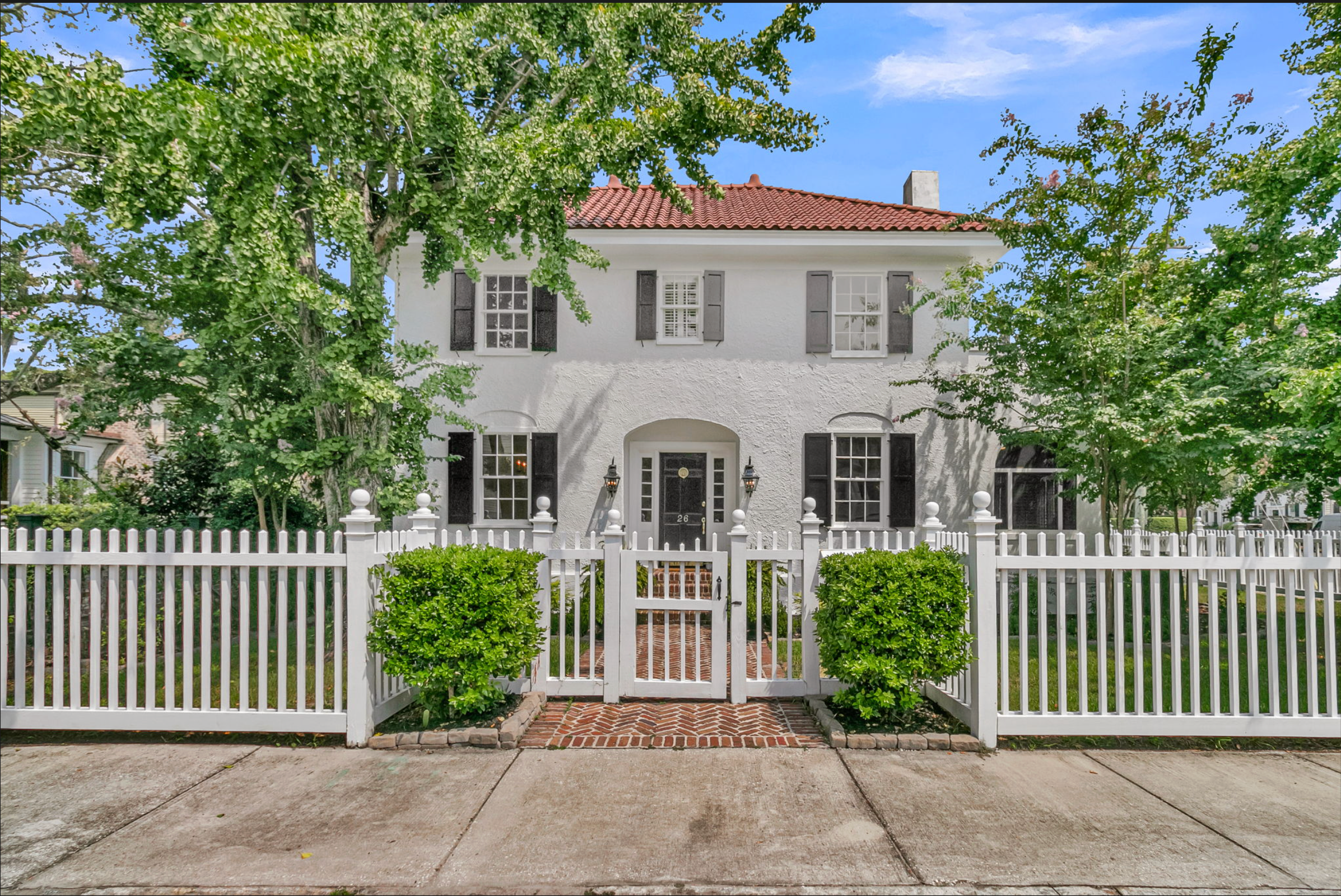
Charleston Real Estate: A Local Home Buyer's Guide
Written by Nora deLyra, founder of Nestor and a licensed South Carolina real-estate professional with NovaCasa Realty LLC. ·
One of the hardest things about searching for a home in Charleston is that Charleston isn't one real estate market.
When somebody tells me they're looking for a home "in Charleston," my first question is usually: What do you mean by Charleston?
- The City of Charleston?
- Downtown?
- Mount Pleasant?
- Daniel Island?
- James Island?
- Johns Island?
- West Ashley?
- Summerville?
Those areas can offer completely different housing, geography, price points and day-to-day experiences.
I've worked in real estate for decades, and my advice is to resist the temptation to start by scrolling through every attractive house in the Charleston area.
First figure out where your life works.
Then look at the houses.
Charleston
The City of Charleston includes more than the historic peninsula.
Downtown Charleston gets much of the attention because of its historic architecture, restaurants and recognizable streetscapes, but the City of Charleston also includes areas outside the peninsula.
Housing can range from historic homes and condominiums to established residential neighborhoods and newer properties depending on location.
If downtown is what you want, understand that buying an older or historic property can come with considerations that don't apply to newer construction.
If you're considering a historic property, read our Charleston Historic Architecture guide and review the City of Charleston's official Board of Architectural Review information where applicable.
Charleston Historic Architecture
City of Charleston Board of Architectural Review (BAR)
The City of Charleston's official Board of Architectural Review oversees design and construction in historic districts. Review their information if you're considering a property subject to BAR oversight.

Mount Pleasant
Mount Pleasant is one of the largest residential markets in the Charleston area.
You'll find older established neighborhoods, planned communities, condos, townhomes, golf communities and newer construction.
Location within Mount Pleasant matters.
Living closer to the Ravenel Bridge is a different experience from living farther north toward areas such as Park West, Carolina Park and Dunes West.
If you're moving here, don't treat "Mount Pleasant" as one neighborhood.
Explore the individual areas and understand how each location relates to downtown, beaches, work, schools you personally need to access, shopping and the places you expect to visit regularly.
Daniel Island
Daniel Island is part of the City of Charleston but has its own distinct geography and development pattern.
It includes homes, townhomes and condominiums along with parks, trails, businesses and other amenities incorporated throughout the island.
For buyers considering Daniel Island, I'd look carefully at the specific property, association structure, fees and location within the island rather than making assumptions based on the Daniel Island name alone.

Summerville
Summerville is farther inland and has experienced significant residential growth.
Buyers searching there may encounter more newer construction and large planned developments than they would in some areas closer to downtown Charleston.
But distance on a map doesn't tell you everything.
If you'll regularly commute toward Charleston, North Charleston, Mount Pleasant or another employment center, look at the actual route and traffic patterns that matter to your schedule.
James Island
James Island sits between downtown Charleston and Folly Beach.
That geography is one of the first things many buyers notice about it.
Housing varies widely, so don't assume every James Island property provides the same type of access or experience.
If downtown and Folly Beach are both important to you, investigate the specific property's location rather than relying on the words "James Island" in the listing.

Johns Island
Johns Island has seen substantial residential development while still containing areas that feel much more spread out.
Buyers can encounter established homes, newer communities and properties with more land.
Again, location matters.
A Johns Island address doesn't tell you how long your regular route will feel or what development surrounds the property.
Drive it.
West Ashley
West Ashley is west of the Ashley River and includes a broad range of neighborhoods, condos, townhomes and commercial areas.
It is part of Charleston, but the housing and feel can vary considerably from one section to another.
For buyers who want access to downtown without necessarily living on the peninsula, West Ashley is one of the areas they'll often encounter during a Charleston search.
North Charleston
North Charleston covers a large geographic area and includes established neighborhoods, newer development and convenient access to major transportation corridors and Charleston International Airport.
As with the rest of the region, search at the neighborhood and property level rather than making a decision based solely on the municipality name.
Home Prices Aren't One Number
You'll see plenty of articles quoting a "Charleston median home price."
I don't find one number particularly helpful for an individual buyer.
A historic downtown home, a Mount Pleasant townhome, a Daniel Island condo and a newly constructed house in Summerville are completely different products.
Older Homes vs. New Construction
Charleston gives buyers access to both.
Older homes can offer architecture, established neighborhoods and characteristics that are difficult to reproduce.
They can also require more investigation into systems, condition, insurance and previous renovations.
New construction can offer newer systems, current layouts and community amenities, but buyers should still understand contracts, HOA structures, warranties, fees and what is—or isn't—included.
Neither is automatically better.
They're different purchases.
Flooding, Insurance and Property-Specific Due Diligence
Charleston-area real estate requires property-specific due diligence.
Flood zone, elevation, insurance availability, flood insurance, property condition and location can all matter.
Don't make assumptions because a neighbor says an area "never floods."
Don't assume every coastal property has the same insurance situation.
Investigate the actual property.
Our Coastal Living in Charleston guide explains some of the coastal considerations buyers should think about.
HOA and Community Costs
Many Charleston-area planned communities have homeowners associations.
Some properties may also have transfer fees, initiation fees, special assessments or other community-specific costs.
Before you buy, understand the entire cost structure—not just the advertised HOA dues.
Read the documents.
Ask questions.
Know what you're buying into.
Representation Is Your Decision
Some buyers want a dedicated buyer's agent representing them throughout the transaction.
Others are comfortable handling more of the process themselves.
That's why I built Nestor.
Nestor gives buyers another way to search for homes and move through the process using a transaction-brokerage model rather than automatically entering traditional buyer-agency representation.
Neither approach is right for every buyer.
Understand the difference and choose the level of representation you want.
Buying a Home Without a Buyer's Agent in South Carolina
How Transaction Brokerage Works in South Carolina
Start With the Life, Then Find the House
If there's one thing I want someone moving to Charleston to take from this guide, it's this: Don't start with the prettiest house.
Start with your life.
- Where will you work?
- Where will you spend your weekends?
- Do you want downtown?
- Beach access?
- Boating?
- Golf?
- A larger lot?
- New construction?
- Historic architecture?
- What routes will you drive all the time?
Once you understand those things, the map gets smaller very quickly.
And that's when looking at houses becomes a lot more productive.
Search Charleston-Area Homes
Want to Talk About Your Search?
If you'd rather talk through the areas with me, you can.
Frequently asked questions
Is Charleston one real estate market?
No. The broader Charleston area contains multiple municipalities, islands and neighborhoods with different housing stock, geography and market conditions. Buyers should compare the specific areas that fit their needs rather than relying on one Charleston-wide number.
Is Daniel Island part of Charleston?
Daniel Island is within the City of Charleston. Buyers should still evaluate Daniel Island properties individually, including association structure, fees, location and property characteristics.
Is Mount Pleasant part of Charleston?
Mount Pleasant is a separate municipality across the Cooper River from Charleston. It is part of the greater Charleston area but has its own local government and housing market.
Should I buy an older Charleston home or new construction?
That depends on what you value and the specific properties you're considering. Older homes and new construction involve different maintenance, inspection, contract and community considerations. Neither is automatically the better choice.
Can I buy a Charleston home without a traditional buyer's agent?
Buyers may have different brokerage relationship options. Nestor is designed for buyers who want to handle more of the process themselves using a transaction-brokerage model. Buyers should understand the duties and services involved before deciding which relationship they want.
Related guides
Search Charleston-area homes with Nestor.
Search Charleston-area homesFull-service representation
Prefer a dedicated buyer's agent?
If you'd rather have a dedicated buyer's agent guide your search, develop your offer strategy, negotiate on your behalf, and help you through closing, you can work directly with Nora deLyra at NovaCasa Realty.
Want to speak with Nora right now?
631-525-6462